Are You Prepared?
compliance solutions that remove unnecessary complexity and avoid the high consultancy costs often
associated with larger advisory firms.
Why not book a no-obligation consultation to determine how CBAM will affect your business?
Book a Free CBAM Readiness Call
The EU’s Carbon Border Adjustment Mechanism (CBAM) is transforming how importers manage environmental and customs obligations. From 2026, businesses importing certain goods into the EU must complete an Annual CBAM Declaration, purchase CBAM certificates, and ensure that embedded emissions are verified by accredited experts.
At Smart CBAM, as an Associate Member of the International Association for the Carbon Border Adjustment Mechanism (IACBAM) we help importers across Ireland and the UK meet these new requirements simply, accurately, and on time — with full support throughout the year.
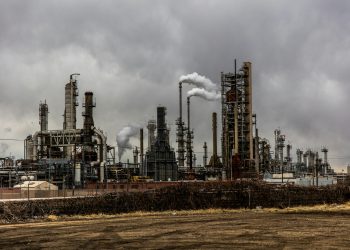
What CBAM effects
Cement
- High CO₂ intensity from clinker production.
- Imports face carbon pricing to match EU ETS costs
- The mechanism incentivises suppliers to reduce emissions through alternative fuels, lower-clinker blends, and carbon capture technologies
Iron & steel
- High emissions primarily from coal-based blast furnace/basic oxygen furnace (BF/BOF) routes.
- CBAM limits the cost advantage of imports produced with high-carbon processes.
- Incentivises transition to lower-carbon pathways such as electric arc furnaces (EAF) using scrap or green DRI.
Electricity
- High variability in carbon intensity by country.
- Ensures imported electricity reflects EU-equivalent carbon costs.
- The mechanism incentivises exporters to increase renewable generation or adopt equivalent carbon pricing to remain competitive in EU electricity trade.
Fertilisers
- Notably emissions-heavy due to ammonia and nitric acid production
- CBAM ensures imported fertilisers meet EU carbon pricing rules
- The mechanism incentivises a shift toward low-carbon hydrogen and improved process efficiency to reduce embedded emissions and CBAM costs.
Aluminium
- Extremely electricity-intensive smelting means emissions vary widely by exporting country and energy mix.
- CBAM targets high-carbon aluminium imports to prevent competitive advantage from coal-based production.
- Drives suppliers toward low-carbon smelting (renewables, inert anodes) to maintain EU market access.
Hydrogen
- Production method determines carbon footprint (grey vs. green).
- CBAM pushes imports toward low-carbon hydrogen pathways.
Turning CBAM obligations into a clear process
for EU importers
news
-
How to Apply for Authorised Declarant Status: A Step-by-Step Guide for Irish Importers
From 2026, any Irish business importing goods covered by the EU’s Carbon Border Adjustment Mechanism (CBAM) must hold Authorised Declarant status. Without it, you cannot legally continue importing those goods into the EU. Here is exactly what you need to do — and in what order. Step 1: Confirm You Need to Apply You must
March 10, 2026 Read more -
Authorised CBAM Declarant Status: What It Means for Your Business
Authorised CBAM Declarant status is mandatory from 1 January 2026 for businesses importing over 50 tonnes of carbon-intensive goods (steel, iron, cement, aluminium, fertilizers, electricity, hydrogen) annually into the EU. This means that your firm must report to CBAM via the national competent authority annually. This status enables importers to legally purchase and submit CBAM
February 23, 2026 Read more -
Annual CBAM Declarations Explained: What Will Be Required in 2026?
From 2026, CBAM moves from reporting to financial enforcement. Every authorised CBAM declarant must submit an Annual CBAM Declaration covering: Who Must File? Any EU-based importer bringing in goods covered by CBAM. This includes: If you are the customs declarant of record, you are likely responsible. The Financial Impact The cost of CBAM certificates will
February 23, 2026 Read more -
Embedded Emissions: The Biggest Risk Facing EU Importers Under CBAM
Embedded emissions are the single largest compliance risk under CBAM because they determine your financial exposure. From 2026 onward, the carbon cost importers must pay is directly linked to the verified CO₂ emissions embedded in every tonne of in-scope goods you import. If suppliers cannot provide reliable primary data—or if you submit unverified or incomplete
January 14, 2026 Read more